Describe each surface separately
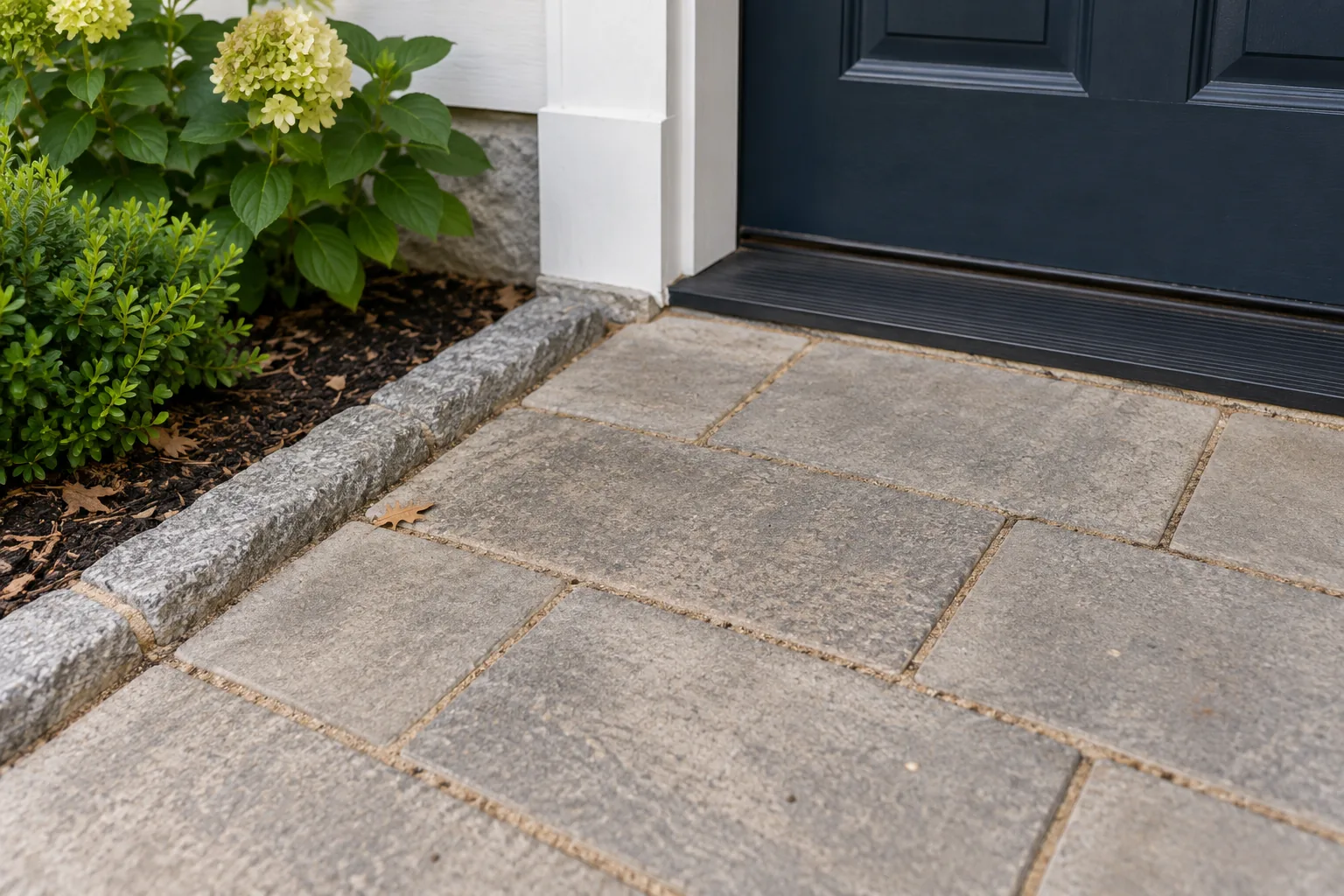
List the driveway, patio, sidewalk, fence, wall and storefront as separate areas. Provide a dry photo of each and note sealed concrete, pavers, wood, painted surfaces or textured wall finishes. “Pressure wash the exterior” is too broad to compare bids. A contractor should be able to say what will be cleaned with water, what needs pretreatment, what should be avoided and whether any stain is likely to remain. If the surface is damaged, cleaning will not repair it.
Ask how they control runoff
San Antonio’s stormwater guidance for businesses is unusually concrete: sweep and collect debris first, absorb oil or fluid spots, and do not send soapy or contaminated washwater into storm drains. A contractor should walk the drainage path, identify nearby street inlets, and describe containment or disposal appropriate to the job. Ask whether the quote includes that work. A bid that ignores runoff may leave you with a cleanup problem even if the surface looks brighter.
Protect what is beside the work
Windows, doors, electrical outlets, plantings and painted trim sit close to many wash areas. Ask the crew to define spray boundaries and pre-existing damage, then explain masking and rinse steps. If you also want window cleaning, clarify the order of work and whether glass will be washed afterward. An exterior wash can leave residue on glass, while window cleaning is a distinct service. The current Texas Window Washing site lists window and solar services, not a bundled pressure-washing package.
Make the proposals comparable
- Request the exact surfaces, approximate area, stain types, pretreatment, rinse and any test patch in writing.
- Ask for proof of current insurance and references for the same material, then read recent reviews critically.
- Confirm access needs, water source, who moves furniture or vehicles, and how delicate fixtures are protected.
- Ask what happens if a stain remains or a coating lifts in the test area; a useful provider will state limits before starting.
The FTC advises homeowners to get multiple written estimates and understand what is in the contract. A price without a method can hide very different work. If one contractor prices only a water rinse and another includes oil-spot treatment and washwater containment, they have not quoted the same job.
Choose a specialist when the surface demands it
Stucco-like EIFS and coated surfaces often have manufacturer-specific pressure and cleaner instructions. Sika’s Parex bulletin, for example, sets limits for its own finishes and warns that excessive pressure may damage them. Ask the contractor to name the product or explain how they will safely assess an unknown wall. If they cannot, consult a wall-system specialist before agreeing to wash it.
What a good result looks like
Agree on before-and-after photos taken after the surface dries. A wet driveway often appears uniformly dark and can conceal oil shadows or stripes. The provider should be willing to explain what was removable, what remains, and why. That is a more useful standard than a generic promise that every stain will disappear.
Read three different offers as three different jobs
Consider illustrative proposal descriptions. One says “wash the driveway” without defining its boundaries. Another identifies the parking surface and apron, names an oil-spot treatment and states that an old shadow may remain. A third includes the front walk and a wall but says little about surface type or runoff. None can be ranked by total price until the missing details are answered. Ask the first to mark the area, the second to explain the treatment and its limits, and the third to identify the wall finish and washwater plan. Then request the combination you actually want rather than accepting an expanded project because it sounds more comprehensive.
Use references to test the result that matters
If a bidder offers a reference with permission, ask about work on a comparable material and a comparable stain. Was the dry result explained before the job? Did the contractor distinguish cleaning from a damaged coating? Was the agreed area completed without changing the treatment unexpectedly? The reference cannot prove how your surface will respond, but it can show whether the provider’s explanations survived contact with a real job. A portfolio of wet, freshly rinsed surfaces answers a narrower question. Ask for the dry result and the stated limitation before treating a photograph as evidence that every old mark can be removed.
Separate a missed area from a remaining stain
At the final review, a walkway left untouched and an old oil shadow still visible are different issues. The first can be checked against the marked work area. The second should be compared with the treatment and expected improvement described before cleaning. Ask the contractor to address the specific discrepancy rather than requesting a stronger pass everywhere. If it identifies material damage or a failing finish, consider the relevant specialist instead of treating repeated cleaning as a repair. Texas Window Washing’s public service list does not establish a driveway or pressure-washing service.
Sources and further reading
Resolve a disagreement about the washing method
Review the material, stain and drainage decisions behind a driveway treatment.
Explore driveway washing methods