
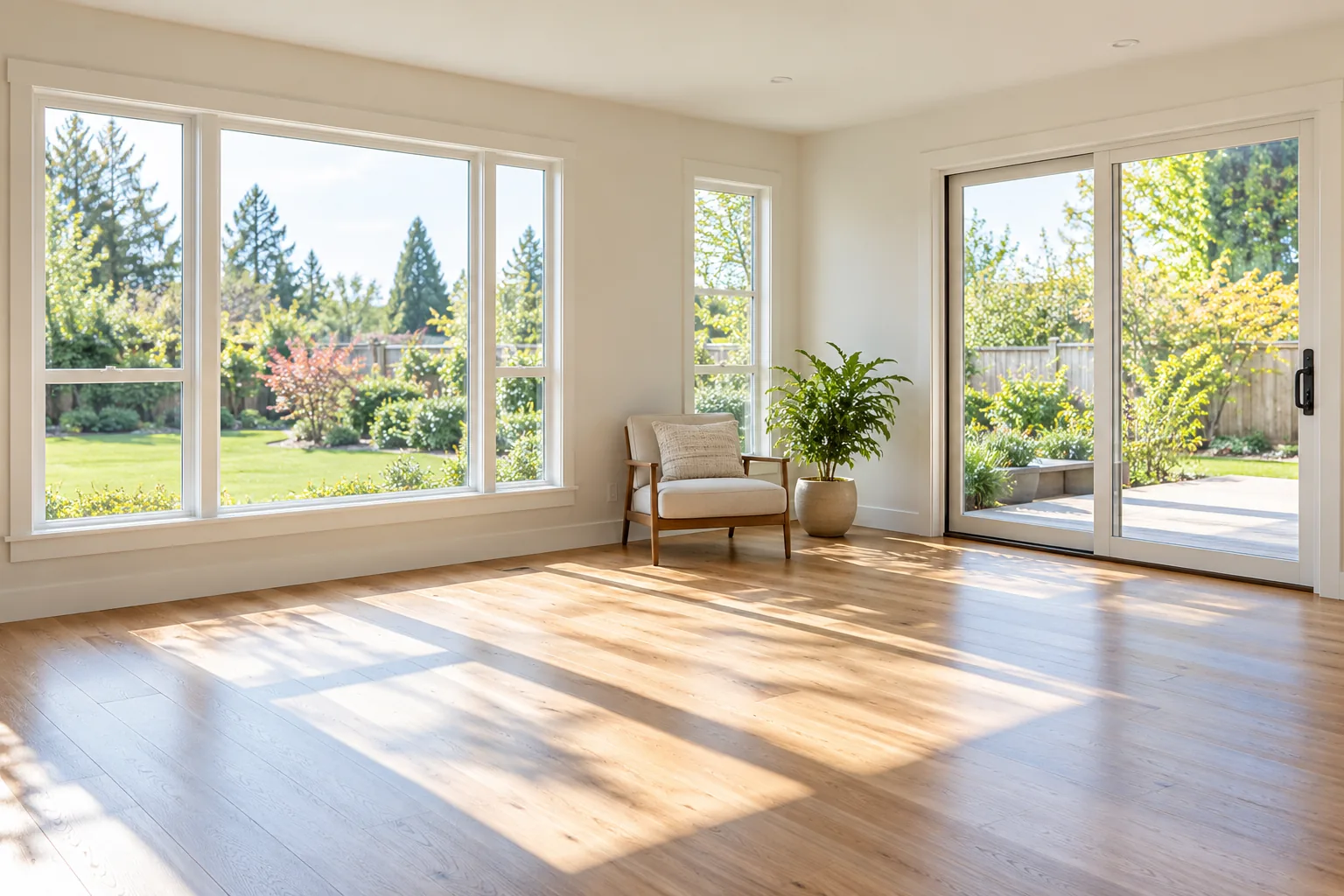
Walk the future photographs before selecting the work
Stand at the front entry, the main living-room view, the kitchen, and any patio door likely to appear in photographs. Ask the photographer which directions and rooms matter to the planned shoot. A view pane can be important from inside even if it is barely visible from the street. A glass door may need both sides even when the seller initially requests an exterior-only wash.
The National Association of REALTORS consumer guide includes window cleaning among cosmetic preparation steps sellers may consider and discusses appearance in photographs. That supports planning the work; it does not establish a particular sale price or speed of sale. Keep the recommendation attached to the home’s presentation priorities rather than a promised return.
Screens also belong in the room-by-room decision. Tell the estimator whether the seller wants them cleaned, handled during the glass visit, or left outside the selected work. Do not assume a photograph through a window establishes which side of the glass or screen holds the visible soil. When possible, show the estimator the same viewing position the photographer plans to use, along with a close view of the actual surface. That makes the preparation question specific without inventing a diagnosis from the camera image.
Use daylight to identify the concern, not diagnose it
A pane can look clear from one position and show a mark when light changes. During preparation, note where the mark is visible and take a wide photograph plus a close view. Tell the cleaner about sprinkler exposure, recent painting, film, or renovation work. A photograph helps frame the question but cannot establish that every visible condition is removable.
NGA/IWCA guidance recommends attention to glass-maker instructions and appropriate evaluation, including a test clean where needed. If a persistent mark remains after ordinary washing, give the seller the next treatment decision before promising the photographer it will disappear. A photo deadline should not turn an uncertain pane into an instruction to improvise a stronger method.
Put the glass visit between the right preparation tasks
Coordinate painting, dusty work, landscaping near windows, and any exterior wash before choosing the cleaning date. Then leave a usable daylight period between cleaning and photography for the seller or agent to look at the result. An appointment immediately before the shoot leaves little room for an access problem or an unresolved mark.
For an occupied home, confirm which rooms the seller can prepare and release. For a vacant home, confirm who provides entry and checks lock-up. These are different arrangements; do not assume the agent’s possession of an address or lockbox information authorizes every service decision. Identify who approves additional work and who pays for the selected cleaning.
Example: a limited preparation window
Suppose a hypothetical seller has time to arrange the entry, main living-room view, and patio doors before photography, while other rooms remain occupied. Ask for that focused selection explicitly. Name the rooms, sides of glass, and requested screen or track work. Tell the photographer which areas will be ready rather than describing the visit as a whole-home clean.
If a difficult exterior pane is essential to the planned photograph, have its access question addressed before fixing the final preparation sequence. If it cannot be included in time, the seller and agent can make an informed decision about the remaining work. The cleaner should not be left to discover the priority at arrival.
Check the scene the camera will actually use
- Entry: review the door glass and the view from the approach.
- Main rooms: stand at the planned camera positions and look through the selected panes.
- Patio and view glass: check both sides where they were purchased.
- Remaining concerns: identify the pane and whether it needs a further decision.
Keep the inspection tied to the accepted cleaning selection. If trades return or a door picks up new fingerprints, assess that new condition instead of assuming the first visit failed. For later showings, the seller can use the same priority list to decide whether a small touch-up or a broader new visit is worth requesting. Any later work still needs its own confirmed scope and access arrangement.
Sources and further reading
Describe the photographs you are preparing for
Name the priority rooms and views, the selected glass, and the planned photography date.
Share the listing priorities