Window care for your property

Window cleaning in Boerne

Two Boerne properties can have different spotting conditions. Before quoting stain removal, it helps to know whether sprinklers touch the glass and whether the marks come off with ordinary cleaning.

Plan my cleaning
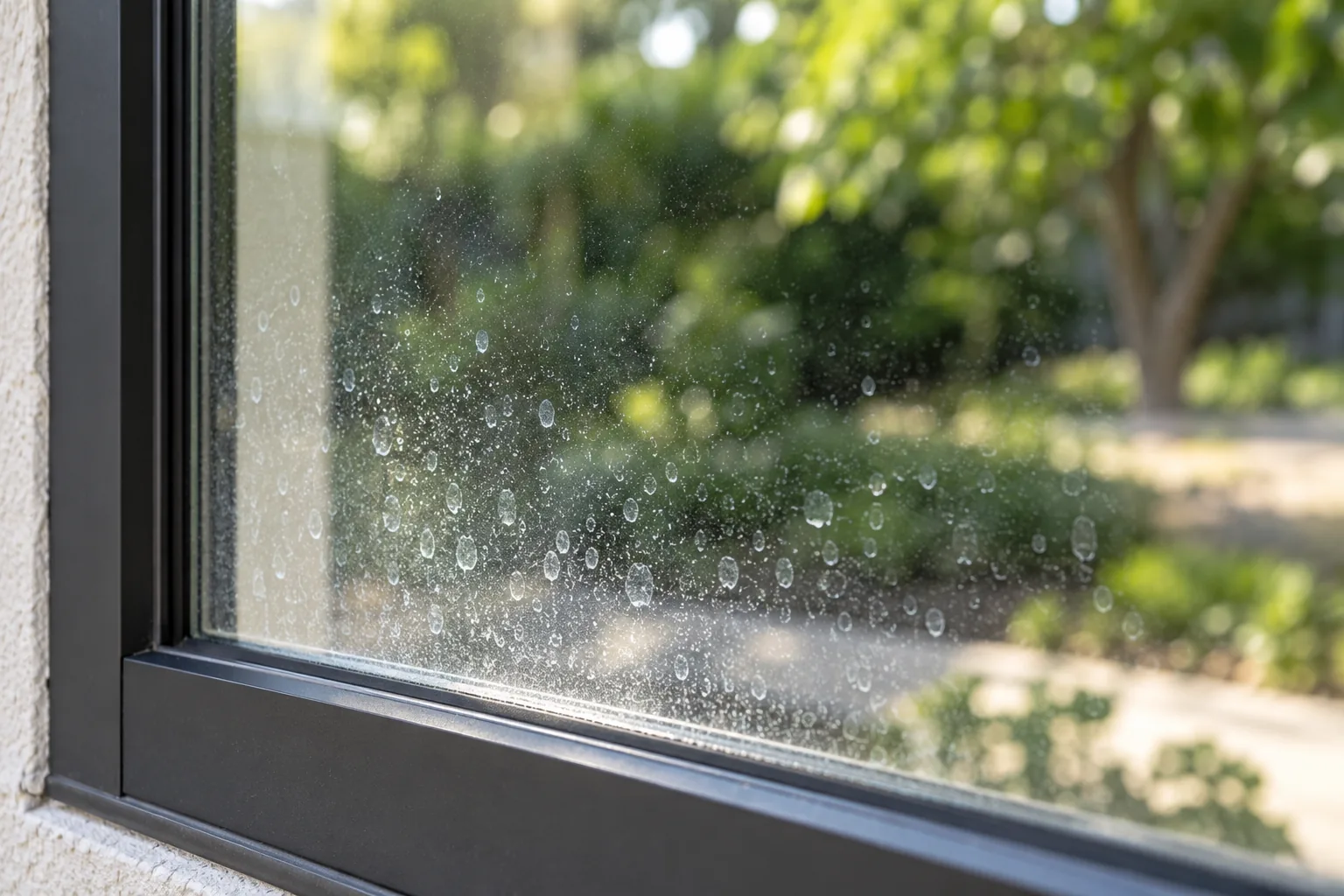
Illustrative close view of persistent white spots on lower window glass
Illustrative spotting pattern. Assessment starts with the actual pane and water source.

Separate the view from the spotting problem

If the main concern is a cloudy lower pane, describe that concern before requesting a whole-home wash. Ask whether the estimate will distinguish ordinary cleaning from an assessment of remaining deposits. The appearance of a spot does not establish its cause, and a city water report cannot tell you whether that particular mark will come off.

For the rest of the house, group the work by surface and access. Exterior glass, room-side fingerprints, screens, and track debris each need a decision. This makes it easier to compare a simple exterior visit with a more complete refresh without losing the detail that prompted the request.

Water conditions vary across Boerne

Boerne Utilities says its supply blends lake and well sources and that hardness varies within the system. There is no honest citywide number to apply to every window. We assess the actual glass, then separate routine washing from restoration work if needed.

Local source: City of Boerne water quality.

  • Do sprinklers reach the exterior panes?
  • Are the marks chalky spots, ordinary dust, or unknown residue?
  • How many stories and specialty panes need access?

When the mark changes the cleaning plan

A spot concern, a high pane, and a shop display lead to different questions.

Sprinkler-facing windows

Show the full elevation and a close view of the marks. Note whether the same pattern appears on adjacent panes and when you last remember the glass being clear. Ask how any remaining spotting would be reviewed after routine washing and before additional treatment is approved.

Tall living-room glass

Photograph the windows from inside and outside at floor or ground level. Include furniture, landscaping, and the ground beneath them so access can be discussed. A pane count alone does not show a high fixed window or an obstacle below it.

A small business with a display

Identify the display glass and any shelves or merchandise that limit room-side access. Decide who will clear those areas and which entry surfaces matter most. Share the intended work window so the estimate can account for the actual access arrangement.

Plan your cleaning.

Pick what needs attention. We’ll turn your choices into a clear starting point for your quote.

Start with your property.

Tell us which glass, screens, tracks, or panels you want cleaned.

Request a custom quote

Choose routine washing or discuss a specific concern

Useful information for a Boerne request

The useful water detail is the provider for this address. Pair it with photos of the dry spotting pattern rather than applying a citywide hardness assumption.

See the quote checklist
  • Name the property address and water provider if you know it.
  • Include wide and close-up photos of recurring spots.
  • List specialty panes and which sides should be cleaned.
  • Mention a preferred date, access contact, and any locked courtyard.

Questions about spots and extra detail work

Should I request stain treatment for every spotted window?

Start by identifying the affected panes. Routine soil and persistent deposits may require different work, so ask for assessment and pricing before authorizing a treatment across the whole property.

Can the estimate include screens and tracks?

Yes. Ask for each explicitly and explain any damaged or difficult-to-remove screens. Their condition and access help define the work that can be included.

Useful reading

Make the next decision easier

Show us the Boerne panes that concern you.

A dry close-up and a wider view help distinguish a targeted spot assessment from the rest of the window cleaning.